
In This Article
Radiant heat is the transfer of thermal energy via electromagnetic waves that heat objects and people directly, rather than warming the air. This foundational technology powers our most popular solutions, from indoor floor heating and infrared heating panels to outdoor snow melting systems. By mimicking the way the sun warms the Earth, radiant heat provides a more natural, efficient, and comfortable environment than traditional forced-air systems.
Looking for the Basics?
If you’re new to radiant technology, start with our high-level overview: How Radiant Heating Works. This article serves as a technical deep-dive into the physics behind those systems.
Radiant Heat Quick Facts
- Energy Efficiency: Radiant systems can be 20-30% more efficient than forced-air systems by eliminating duct loss.
- Air Quality: Since there are no fans or blowers, radiant heat doesn’t circulate dust, pollen, or allergens.
- Direct Warmth: Infrared waves travel through the air and only turn into heat when they strike a solid object.
- Stable Comfort: Radiant heat creates an even temperature from floor to ceiling, eliminating cold spots.
The Physics of Warmth: Radiation vs. Convection
To understand why radiant heating feels different, we have to look at the two primary ways we heat our homes: convection and radiation.
How Convection Works
Most traditional heating systems, like forced-air furnaces or baseboard heaters, rely on convection. These systems heat the air, which then circulates through the room. Because warm air is less dense, it immediately rises to the ceiling, leaving the floor (where you actually live) much cooler. This “stratification” means your heater has to work much harder to keep you warm, leading to significant energy waste.
How Radiation Works
Radiant heating uses radiation—specifically far infrared light. Instead of heating the air, radiant systems emit waves of energy that travel through the room until they hit a solid object, like a chair, a wall, or your skin. The energy is then absorbed and converted into heat. This is why you can feel the warmth of a bonfire even on a cold night; the air between you and the fire is freezing, but the radiant energy warms you directly.
Far Infrared: The “Sweet Spot” for Comfort
The science of radiant heating centers on the electromagnetic spectrum. Radiant heaters operate in the Far Infrared (FIR) range. This is a specific wavelength of light that is invisible to the human eye but highly effective at transferring thermal energy. FIR is the same “healthy” heat we receive from the sun (without the harmful UV rays). It penetrates the skin gently, providing a deep, soothing warmth that convection simply cannot match.
Thermal Mass and Secondary Radiators
One of the most fascinating scientific aspects of radiant heating is the concept of thermal mass. When far infrared waves hit the objects in your room—your sofa, your hardwood floors, even the drywall—those objects absorb the energy and begin to warm up.
Over time, these objects become “secondary radiators.” They store the heat and slowly release it back into the room. This creates a “cocoon” of warmth where every surface contributes to the ambient temperature, resulting in a much more stable and consistent environment than the “on-off” cycles of a furnace.
Radiant Floor Heating: The Ultimate Thermal Mass
While infrared heating panels provide targeted warmth from above or the side, radiant floor heating utilizes the largest surface area in your home: the floor itself. By embedding heating cables or mats beneath your flooring, you turn the entire floor into a massive secondary radiator.

This application is particularly effective because of thermal stratification. In a forced-air system, heat rises quickly to the ceiling. With floor heating, the warmest air is at your feet, where you feel it most. The thermal mass of the floor (especially tile or stone) holds onto that heat for long periods, maintaining a stable temperature with minimal energy input.
Applications and Types
Radiant heating is commonly used in various ways:

- Radiant Floors: Heating elements (either electric cables or hot water tubes) are installed beneath the floor. This provides uniform warmth starting from the ground up, making tiled floors cozy even in winter.
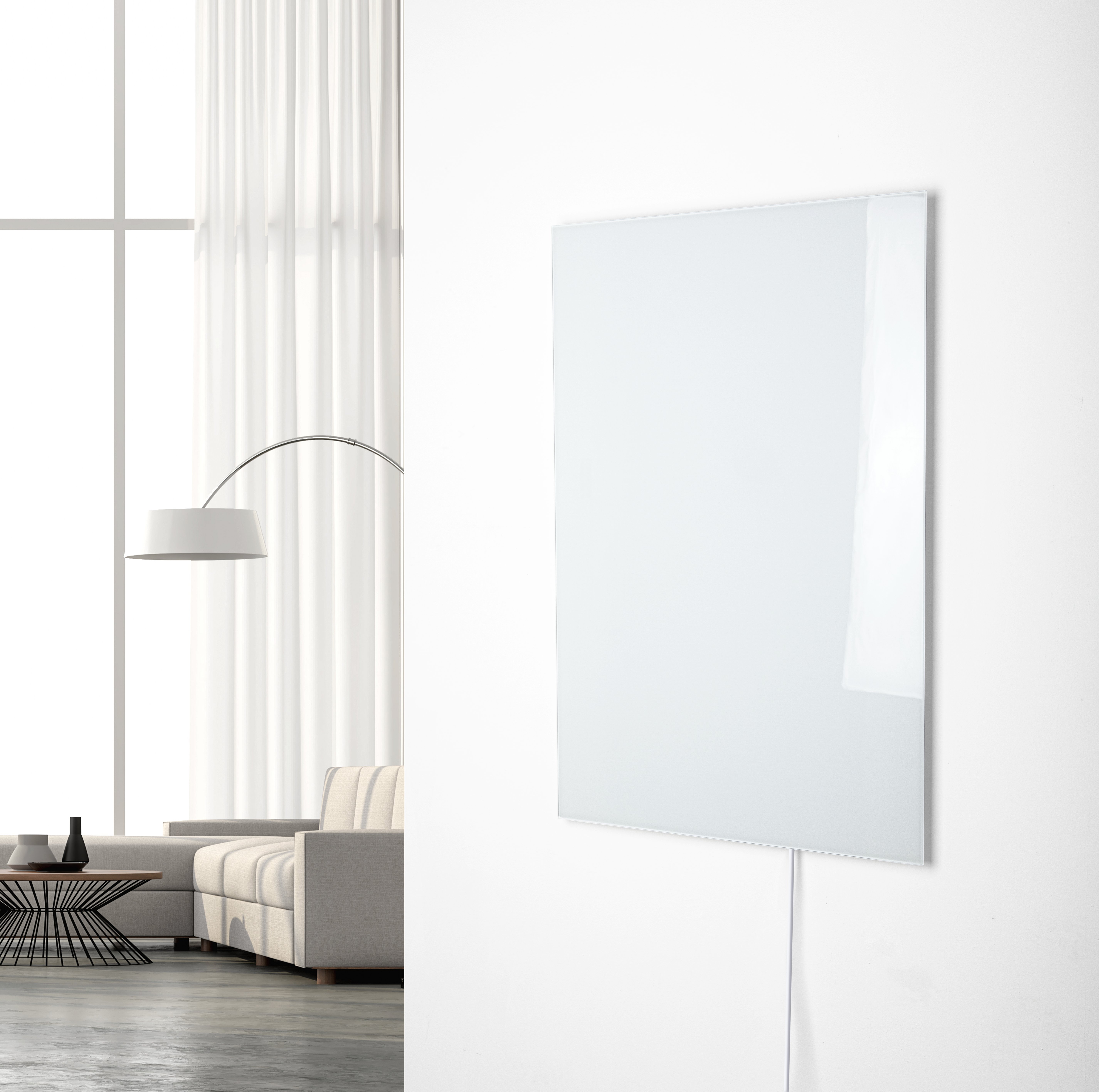
- Radiant Wall and Ceiling Panels: Panels containing electric heating elements can be mounted on walls or integrated into ceilings, offering a flexible and targeted heating solution.
Why Science Favors Radiant Heating
Beyond simple comfort, the science supports radiant heating for health and efficiency:
- Humidity Control: Forced air tends to dry out the air, leading to dry skin and respiratory issues. Radiant heat doesn’t affect the air’s moisture content.
- Reduced Allergens: By eliminating the need for ductwork and fans, radiant systems keep dust and pet dander settled on the floor rather than suspended in the air you breathe.
- Lower Thermostat Settings: Because you are being warmed directly, most people find they are comfortable with the thermostat set 3-5 degrees lower than they would with a convection system.
- Increased Home Value: Radiant floor heating typically increases home resale value. Studies show homeowners recoup 50-80% of installation costs, and listings mentioning heated floors sell for up to 24% more on average.
Frequently Asked Questions
Infrared heating panels work by emitting infrared radiation that travels through the air until it hits an object or person, warming them directly. This is similar to how the sun warms the earth, making it a highly efficient way to heat specific zones in a room.
Yes, radiant heat is generally more efficient than forced air. Because it warms objects and people directly, it eliminates the 20% to 30% energy loss typically associated with ductwork in forced-air systems.
Yes, radiant heating significantly improves indoor air quality compared to forced-air systems. Because it doesn't rely on blowing air through vents, it doesn't circulate dust, pet dander, or other allergens throughout your home.
Asphalt is installed at temperatures up to 330°F, which would melt the plastic PEX tubing used in hydronic systems. WarmlyYours electric cables are rated for 464°F (240°C), making them the only safe and reliable choice for direct contact with hot asphalt during paving.
Calculate Your Savings
Ready to see how radiant heating can work for your home? Use our interactive tools to estimate operating costs and heat loss for your specific project.
Operating Cost Calculator
Estimate how much it costs to run your radiant heating system based on your local electricity rates.
Operating Cost Calculator for Floor Heating
Estimate your daily and monthly energy costs based on room size and local rates.
"Most homeowners are surprised how affordable radiant floor heating is to operate—often just pennies a day for a bathroom. It's the kind of everyday luxury that pays for itself in comfort!"
— Rae RadiantHeat Loss Calculator
Determine if radiant heat can serve as your primary heat source by calculating the heat loss of your room.
For more technical information and installation guides, visit our Design Guides or explore our full range of floor heating, infrared heating panels, and snow melting systems.
Have Questions About Your Project?
Our team of Radiant Experts is ready to help!
Related Articles

Answering Some of Electric Floor Heating’s Most Frequently Asked Questions (FAQs)

How Much Does Radiant Floor Heating Cost in 2026?

Winterize Your Garage and Driveway with Radiant Heating
Stay Updated
Get the latest radiant heating news and tips delivered to your inbox.