
The Mystery of the Cold Floors
Last year, a customer called WarmlyYours with a frustrating mystery: two of their newly installed floors were not heating. Usually, this is a simple issue caused by incorrectly wired thermostats. However, after some troubleshooting over the phone, our technical support team confirmed the wiring was flawless.
It was clear something unusual was going on. Two rooms that shared a doorway were both failing to heat, so more detective work was needed.
Doing Everything Right: The Ohm Tests
At first glance, the installers had done everything by the book. They performed the required ohm resistance tests at all three critical stages:
- Immediately out of the box.
- After the wires were laid out on the floor (before being covered with thinset).
- After the tiles were installed.
At each stage, the system passed with no defects. So, what happened between the tile installation and turning the system on?
The Culprit: A Sharp Blade
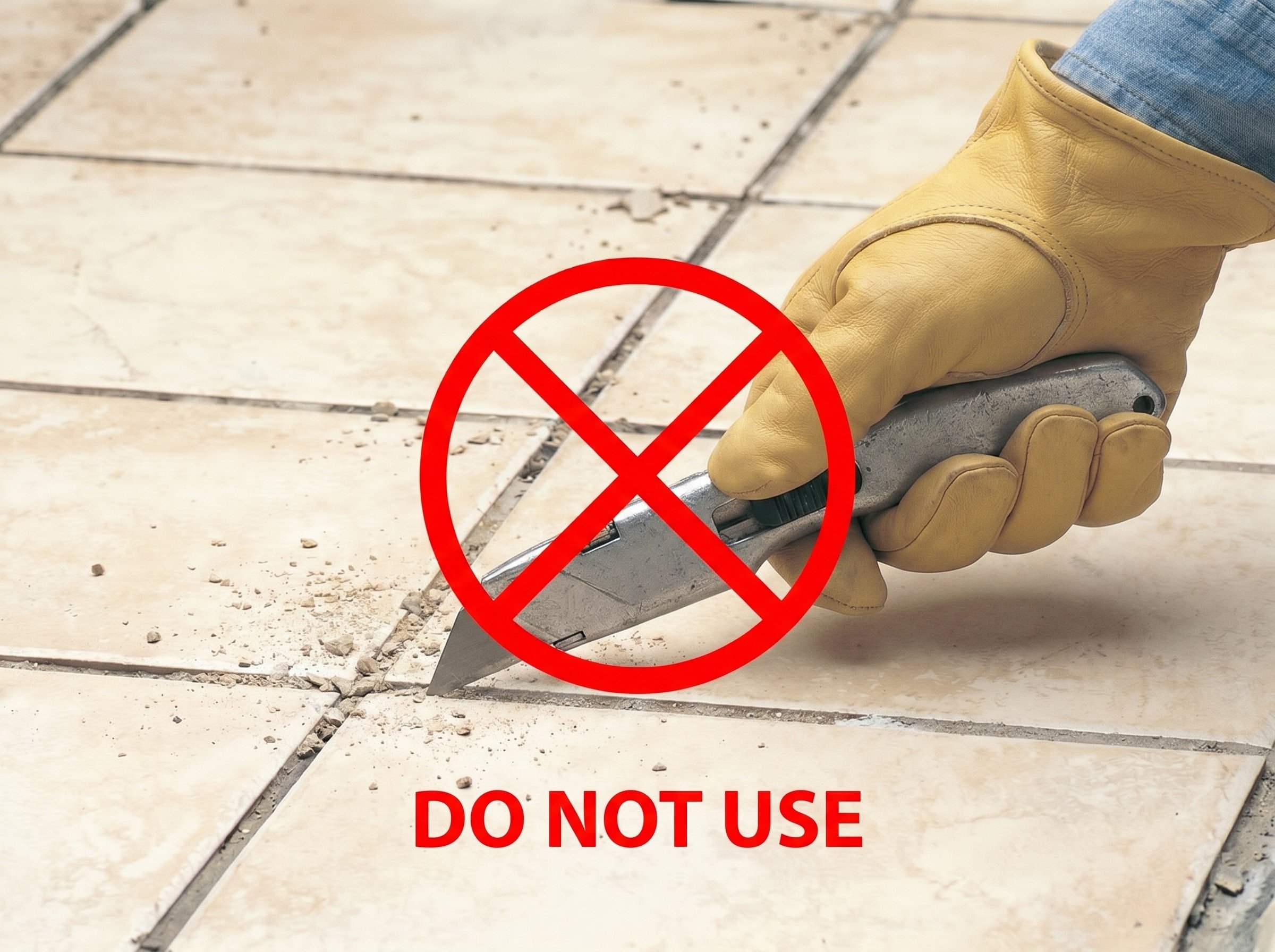
The mystery was solved when looking at the grout preparation. The installers had returned at a later date to clean out the grout lines before applying the actual grout. To do this, they used a sharp utility blade.
Very sharp blades can easily slice through electric wire, and heating cables are no exception. The blade had cut right through the heating element hidden beneath the grout line.
WARNING
Never use a metal blade or utility knife to clean grout lines once the heating system is installed. Even a small nick can cause the system to fail.
PRO TIP
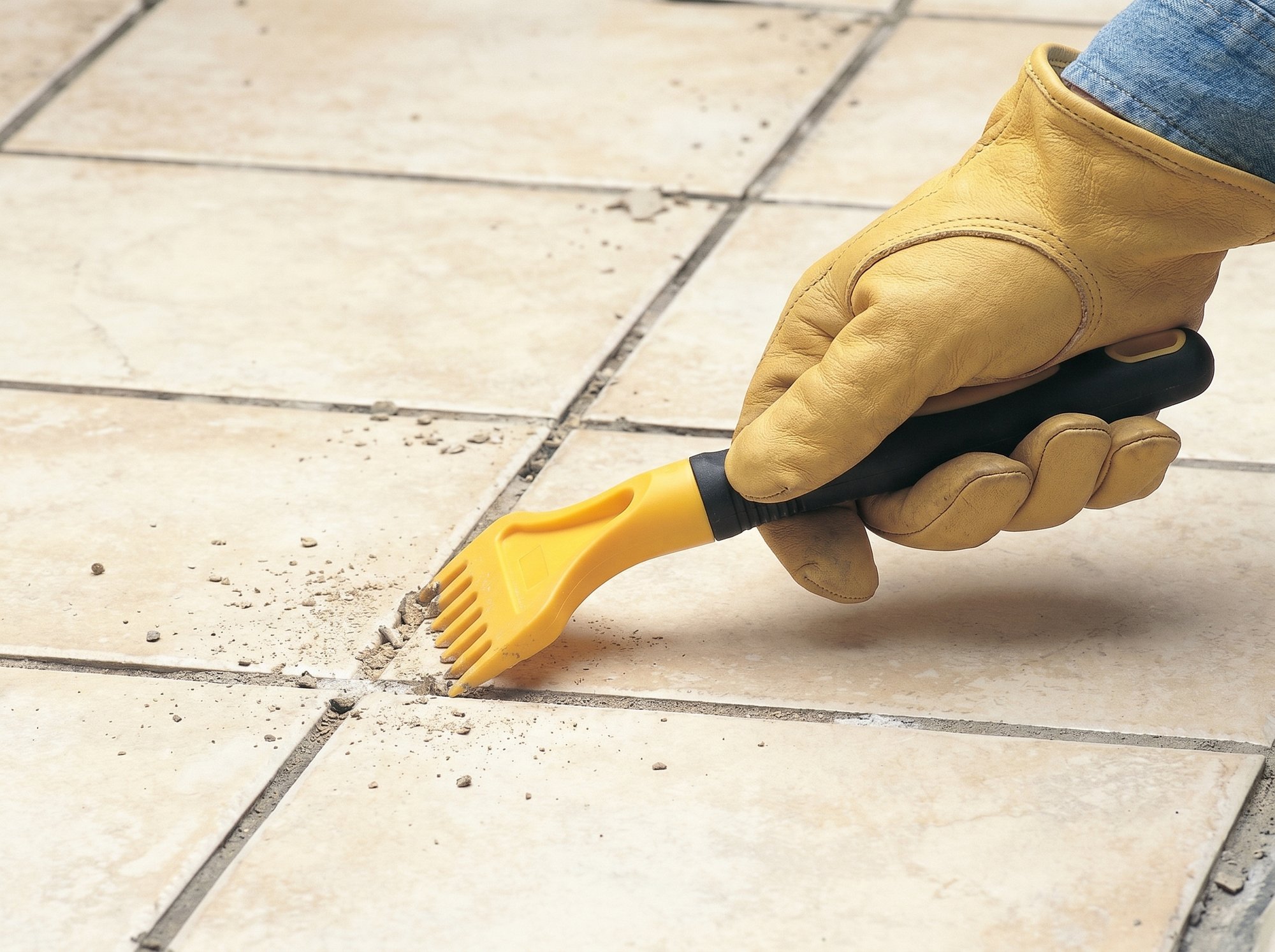
The best practice is to clean the grout lines as the tiles are being installed while the thinset is still wet. If you must clean dried thinset later, use a wooden dowel or a plastic tool to ensure you won't damage the underlying heating wires.
How to Repair Damaged Heating Wires
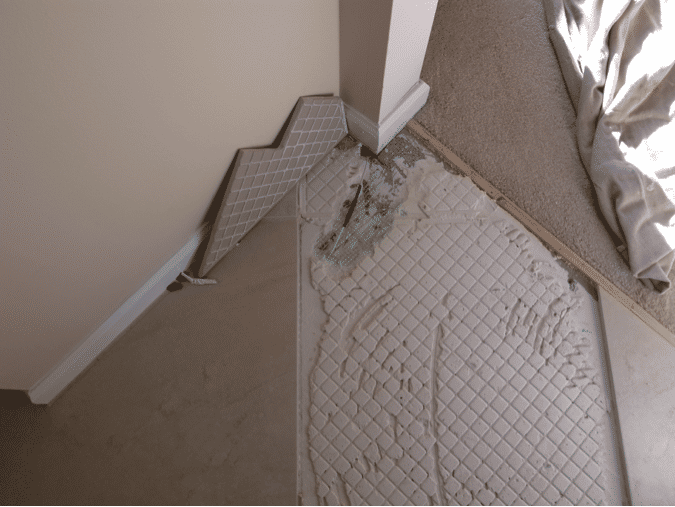
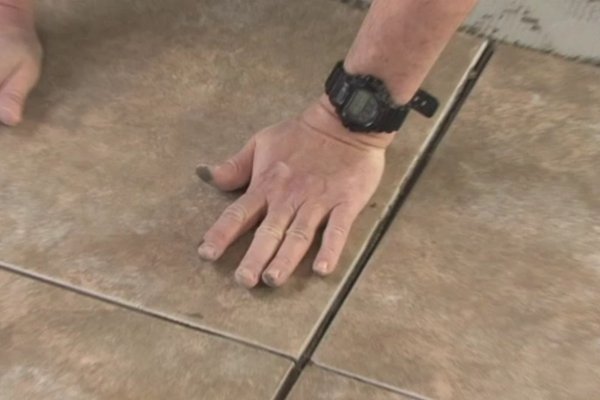
Here we can see a repair of a cut wire, right in the grout line. If you suspect your system has been damaged, professional radiant heating troubleshooting is essential to locate the break without removing the entire floor.
This picture shows where one grout line actually passes over 2 separate rolls, for 2 separate rooms. The first repair (shown in black) was in the room shown, the second repair (not shown) is a wire from the room on the other side of the doorway.
Needless to say, the installer vowed to never use a blade to clean grout lines again.
Frequently Asked Questions
To safely clean grout lines without damaging radiant heating wires, avoid using metal blades or utility knives. Instead, use a wooden dowel or plastic tool to remove excess thinset while it is still wet. If the thinset has hardened, proceed with extreme caution using non-metallic tools to prevent nicks or cuts to the underlying heating system.
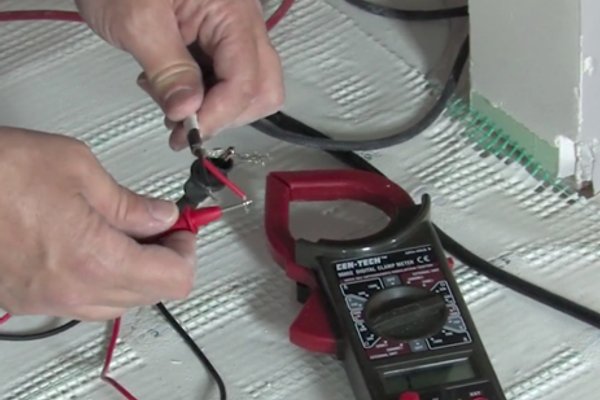
To protect heating cables, always test resistance with an ohmmeter at every stage. Use a plastic notched trowel to avoid nicks, and never cut or shorten the heating cable. Promptly remove excess thinset from grout joints using a wooden stick or plastic tool rather than a sharp metal blade.
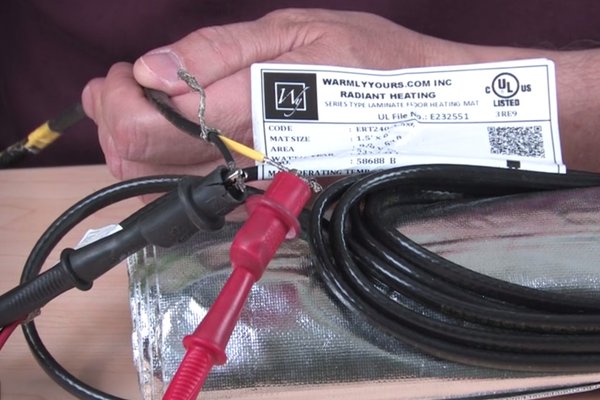
Test the TempZone floor heating cable using a digital ohm meter as shown here.
It cannot be shortened, and all TempZone™ heating cable must be used at appropriate spacing.
Have Questions About Your Project?
Our team of Radiant Experts is ready to help!

Related Articles
Heated Floor Troubleshooting and Repair - Find a Broken or Shorted Wire
Troubleshooting the Most Common Floor-Heating Issues
5 Tips for Installing Tile Grout
5 DIY Tile Installation Mistakes to Avoid with Radiant Floor Heating
Stay Updated
Get the latest radiant heating news and tips delivered to your inbox.