In-Floor Heating for Carpet
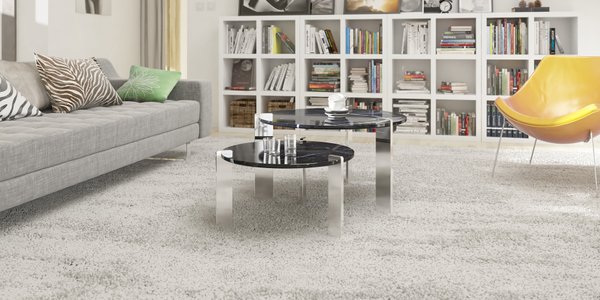
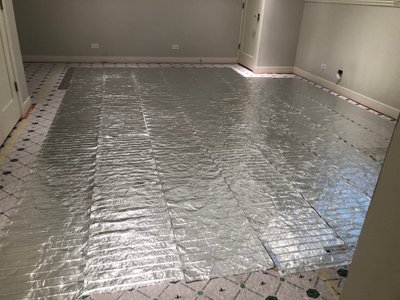
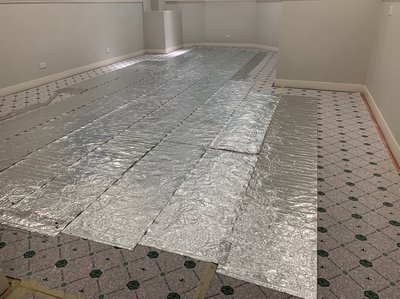
Environ™ electric underfloor heating systems are ideal for adding warmth to rooms with carpet (U.S. only) floors. Made with reinforced non-adhesive foil, Environ™ rolls and mats were designed to make any room in your home more comfortable. WarmlyYours was the first company to introduce this advanced design and heating technology in the United States.
Floor Heating Systems for Carpet
Add extra warmth and comfort to carpet (U.S. only) with a WarmlyYours Environ under floor radiant heating system. Environ Flex Rolls are flexible rolls that can be cut and turned at 90° or 180° to cover the total area intended to be heated. Environ Easy Mats are perfect for heating large areas easily and quickly, with no need for cuts and turns.
No Mortar, Just Comfort
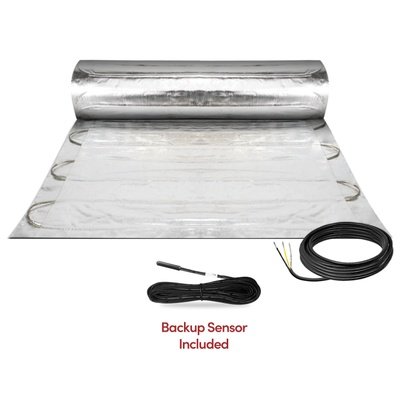
Add extra warmth and comfort to carpet (U.S. only), laminate and floating wood flooring with Environ Easy Mats™. The mats are perfect for heating large areas easily and quickly, with no need for cuts and turns.
-
Perfect for floating laminate, engineered wood, or carpet
-
Ultra-thin system installs without adhesives
-
Provides fast, even heat for dry-floor applications
-
10 Year Warranty under Laminate & Floating Hardwood, 5 Year under Carpet (Us Only)
-
10-12 Watts Per Sq. Ft
Cut, Turn, and Heat
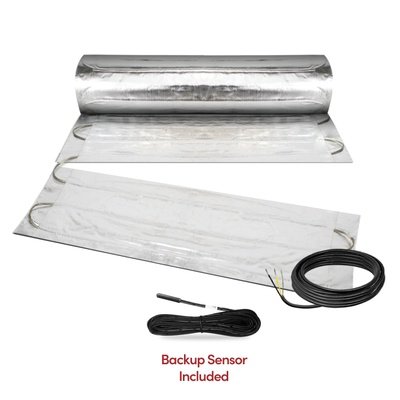
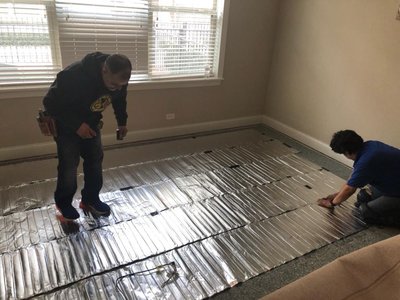
WarmlyYours Environ Flex Rolls are designed for use under carpet (U.S. only), laminate and floating wood. The mats can be installed easily and quickly for large spaces.
-
Flexible roll design cuts and turns to follow your layout
-
Ideal for floating laminate, engineered wood, or carpet
-
Dry installation—no mortar or adhesives
-
10 Year Warranty under Laminate & Floating Hardwood, 5 Year under Carpet (Us Only)
-
12 Watts Per Sq. Ft
Why Install Radiant Floor Heating?
Electric in-floor heating systems generate an even heat throughout your home and will not disturb dust, reducing the chance of possible allergic reactions. What's more, radiant heated floors reduce noise levels and the amount of dry air in your home. There are other benefits to floor heating as well, including financial perks, as they are inexpensive to install and typically don't add more than a quarter to electric bills.
Easy to Install
Whether you're using a mat or cable, we've made installation as simple as possible.
Affordable
Most systems are inexpensive to run and require no regular maintenance.
Easy-to-Use Thermostats
The secret to any great heating system is a great control.
Saves Energy
Radiant heat has higher levels of energy efficiency than most traditional systems.
Safe
cULus listed.
Clean Heat
Doesn't disturb pollen, dust or other allergens like forced-air systems.
Why Choose WarmlyYours?
WarmlyYours provides free design services to make sure that customers purchase the heating system that best meets their project requirements. Depending on the floor type and the shape and size of a room's layout, the size and placement of heating mats will differ.
Free Installation Plan
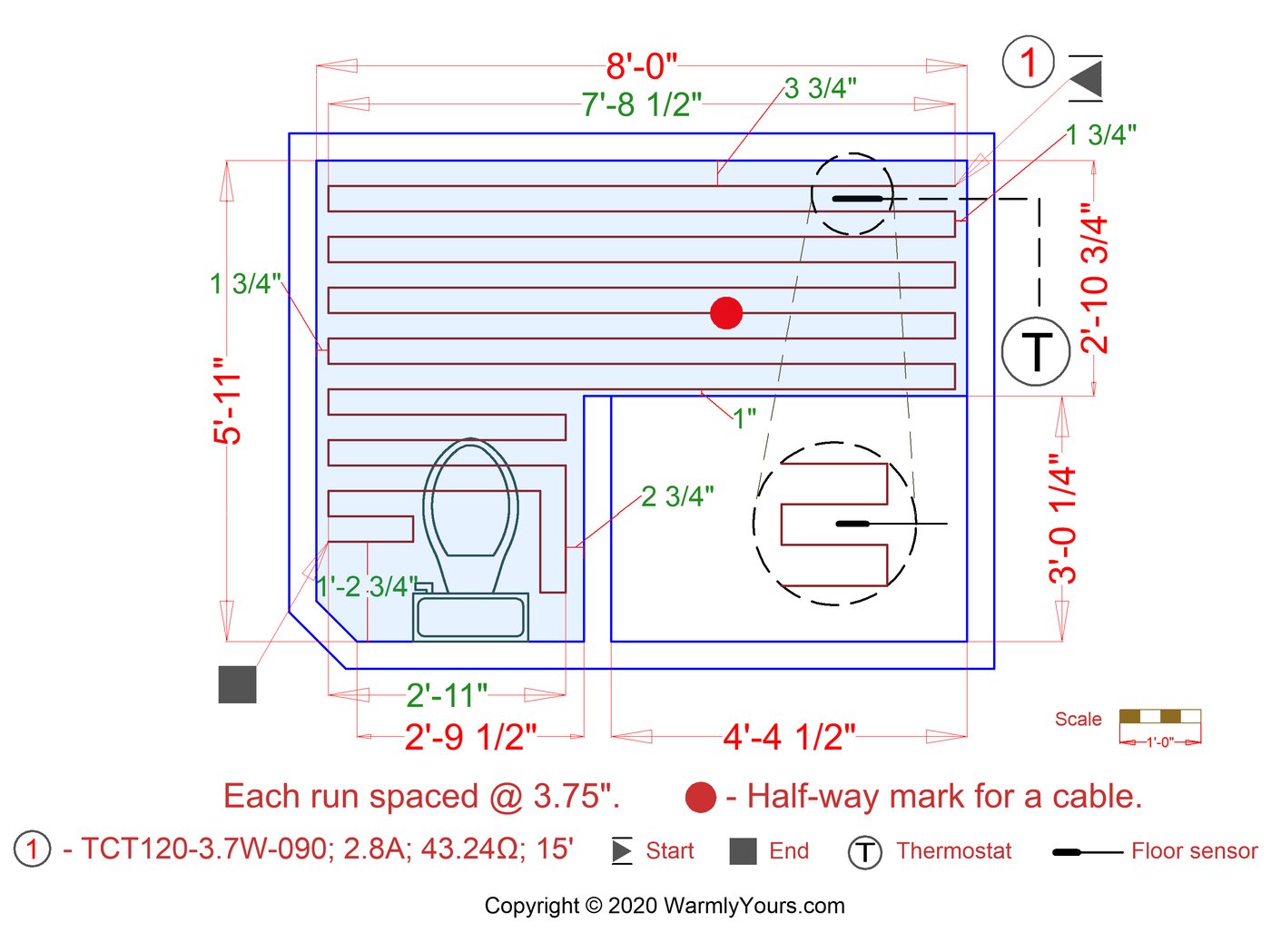
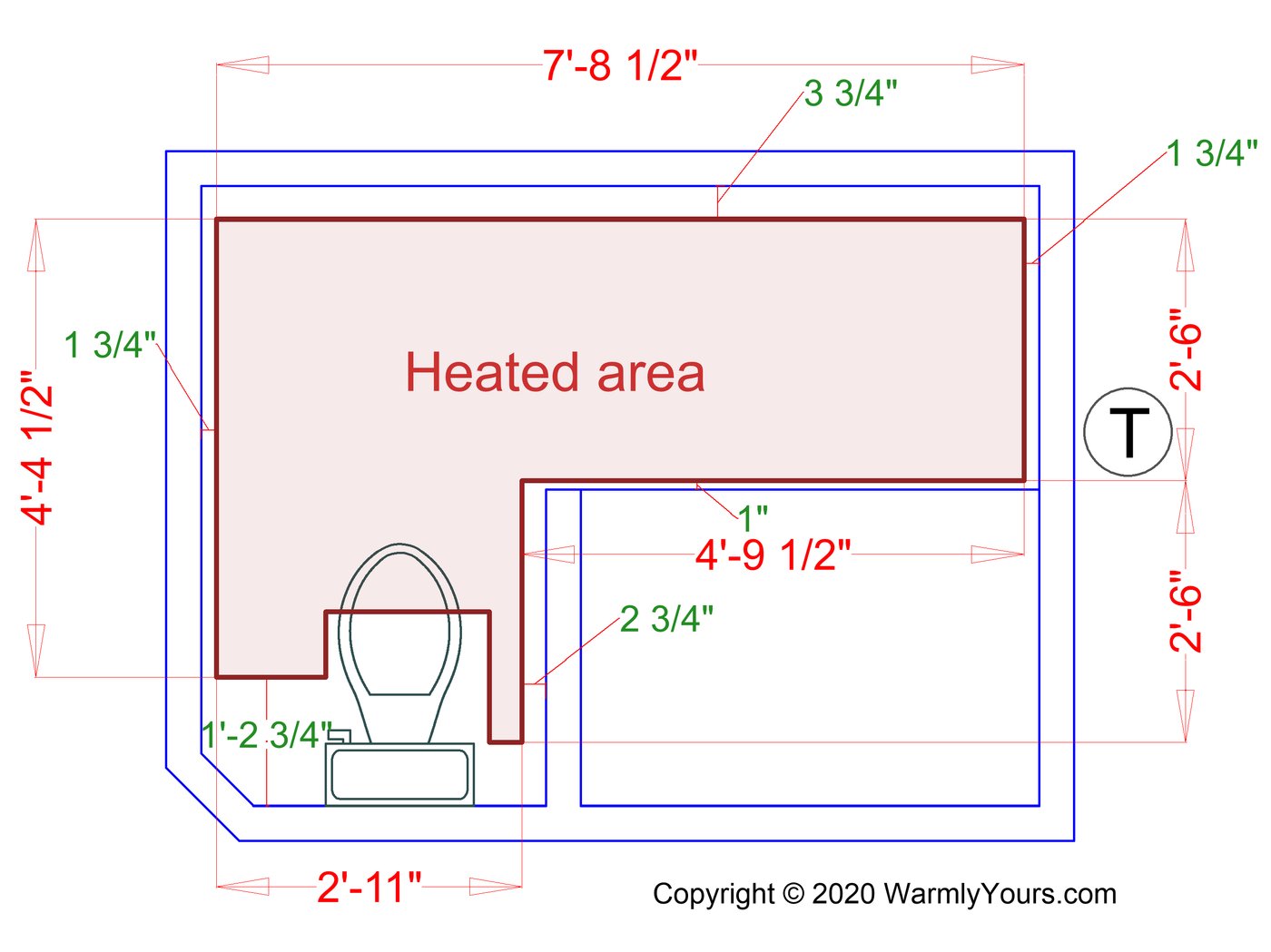
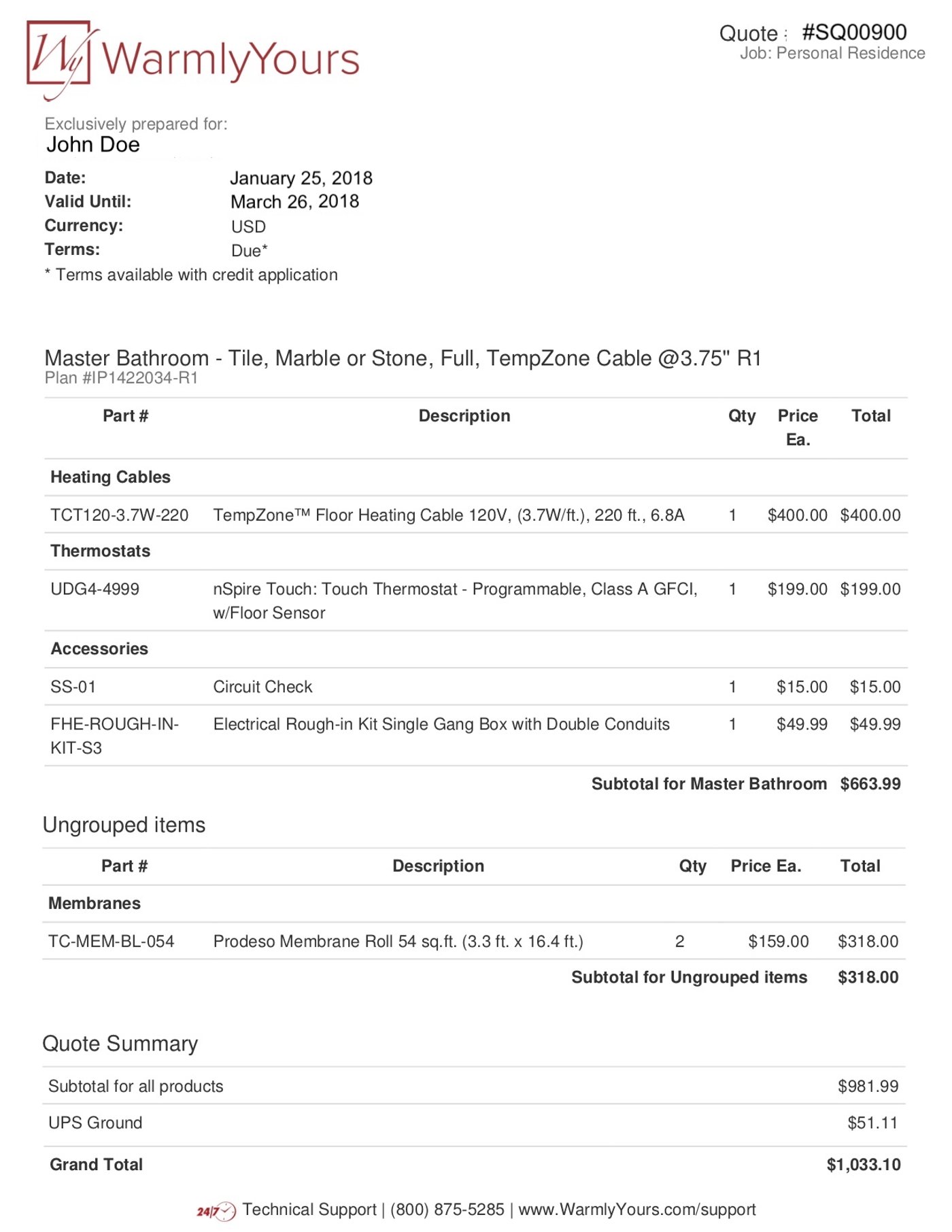
We provide a free, no-obligation SmartPlan™ with every quote, often within 1 day.
24/7 Installation Support
We're here to answer your questions every day – year round – round the clock.
Easy-to-Use Thermostats
The secret to any great heating system is a great control.
Fast Shipping & Simple Returns
With same day shipping nationwide, we're committed to getting your order to you on time. Plus, we don't charge restocking fees for unused products.
Unbeatable Warranty
All of our heating systems are backed by our industry leading warranty, with coverage for both labor and materials on most installations.

Free SmartPlan
Get a custom installation plan for your project in just 1 business day.

"I'll create a custom installation layout showing exactly where your heating elements go, plus a complete materials list with pricing."
Documents & Articles
-
 PDF
PDF -
 PDF
PDF -
 1 min
1 min -
 1 min
1 min -
 1 min
1 min -
 1 min
1 min -
1 min

Frequently Asked Questions
Showing 6 of 9 questions
Yes, but with important considerations. Carpet is compatible with floor heating when you choose the right system and follow specific guidelines.
Key Requirements
- Use a system specifically designed for carpet (like Environ™ Foil Mat)
- Combined carpet + underlay tog rating must not exceed 2.5
- Floor sensor is mandatory
- Thermostat must regulate temperature precisely
- Professional installation recommended
Why Carpet Works with Floor Heating
Radiant floor heating actually helps prevent mold and mildew under carpet by keeping the floor warm and dry. This is especially valuable in Canada's cold, humid climate where moisture buildup is a concern.
Get a free SmartPlan to ensure you have the right system for your carpet. Our engineers will verify your setup meets all safety and building code requirements.
Always check with your local building code and electrical authority before installation, as requirements vary by province in Canada.
Yes, absolutely. A floor sensor is mandatory for all floor heating systems, especially under carpet.
What a Floor Sensor Does
- Monitors actual floor temperature
- Prevents overheating (keeps floor ≤ 85°F / 29°C)
- Allows thermostat to regulate heating precisely
- Protects both the heating system and your carpet
Why It's Critical for Carpet
Carpet can trap heat more than hard surfaces. A floor sensor ensures the system doesn't overheat, which could damage the carpet or the heating element. The thermostat uses the sensor to maintain safe, consistent temperatures.
How It Works
- Sensor detects floor temperature
- Thermostat receives signal
- System adjusts heating to maintain target temperature
- Heat never exceeds safe limits
Installation
The floor sensor is placed under the carpet (typically near the center of the heated area) before the carpet is installed. It's a small, flexible probe that connects to the thermostat.
WarmlyYours Advantage
Every WarmlyYours floor heating product includes a backup floor sensor. This redundancy ensures your system continues to operate safely even if the primary sensor fails. It's one of the ways WarmlyYours goes above and beyond industry standards.
Thermostat Selection
Choose a thermostat designed for floor heating with carpet. WarmlyYours offers several options that work with Environ™ Foil Mat and include built-in GFCI protection for safety.
Professional Installation
A licensed electrician should install the thermostat and connect the floor sensor. This ensures proper operation and compliance with Canadian electrical codes.
Yes, in most jurisdictions. Requirements vary by location.
Check Your Local Requirements
- Contact your local building department
- Ask about electrical permits
- Verify floor heating code requirements
- Get approval before installation
Typical Requirements
- Electrical permit (required in most areas)
- Licensed electrician for wiring
- CSA-approved heating system
- Compliance with Canadian Electrical Code (CAN/CSA-C22.1) or National Electrical Code (NEC) in the US
- Building code compliance (varies by jurisdiction)
Why This Matters
Building codes exist to ensure safety. Using a CSA/UL-approved system like WarmlyYours and hiring a licensed electrician ensures your installation is safe, legal, and covered by warranty.
WarmlyYours Advantage
All WarmlyYours systems are CSA/UL-approved and designed to meet North American electrical codes. Our free SmartPlan includes electrical plans that your electrician can use to obtain permits and ensure code compliance.
Warranty Protection
Proper installation by qualified professionals ensures your system is covered under WarmlyYours' industry-leading warranty. Skipping permits or using unlicensed electricians can create safety risks.
Installation costs depend on room size, system choice, and your location. Several factors affect pricing:
Factors That Impact Cost
- Room size and heating area
- Carpet and underlay selection
- Electrical requirements and permit fees
- Local labor rates
- Existing subfloor condition
- Complexity of layout
Cost Components
- Heating system (Environ™ Foil Mat)
- Floor sensor & thermostat
- Electrical work (licensed electrician)
- Carpet & underlay
- Installation labor
Operating Costs
Operating costs vary based on:
- Room size
- Local electricity rates
- Daily usage hours
- Thermostat settings
- Heating season length
Get an Exact Quote
WarmlyYours' free SmartPlan provides exact pricing based on your room size, carpet type, and local electricity rates.
You'll also get:
- Complete product specifications
- Installation diagram
- Electrical plan
- Operating cost estimate
Use the Operating Cost Calculator to estimate monthly heating expenses based on your specific room and local rates.
Yes. Floor heating under carpet offers comfort, efficiency, and health benefits that make it a worthwhile investment.
Benefits
- Comfort: Warm feet = better sleep and relaxation
- Efficiency: 20–30% more efficient than forced-air heating
- Health: Reduces allergens, dust circulation, and moisture issues
- Design Freedom: No radiators or baseboards
- Home Value: Increases resale appeal (luxury feature)
- Cost Savings: Lower heating bills over time
Why Floor Heating Works Under Carpet
When installed correctly with the right system (Environ™ Foil Mat), floor heating under carpet is safe and effective. The key is choosing a system designed for floating floors and maintaining proper R-value limits (≤ 1.0 combined carpet + underlay).
Long-Term Value
While initial installation costs are higher than traditional heating, the energy savings and increased home value make floor heating a smart long-term investment. With 26 years of experience and 300,000+ installations, WarmlyYours has proven that floor heating under carpet is safe, effective, and worth the investment.
Real-World Results
Thousands of homeowners have experienced the comfort and efficiency benefits of radiant floor heating under carpet. Our 4,000+ authentic customer testimonials showcase the difference floor heating makes in everyday living.
Get Started
Get a free SmartPlan to see exactly how much floor heating would cost for your space and how much you'd save on heating bills.
R-value (thermal resistance) measures how much a material insulates—essentially how much it blocks heat from passing through. In North America, we use R-values instead of tog ratings.
Why R-Value Matters for Floor Heating
- Higher R-value = more insulation = less heat reaches the room
- Too much insulation can cause the heating element to overheat
- Maximum safe combined rating: R-value ≤ 1.0 (carpet + underlay together)
- This is the North American standard for radiant floor heating
Understanding R-Values
- Low R-value (0.3–0.5): Thin carpet, minimal insulation, excellent heat transfer
- Medium R-value (0.6–0.9): Standard residential carpet, good heat transfer
- High R-value (1.0+): Thick, luxurious carpet, restricts heat transfer
Check Your Carpet's R-Value
Most residential carpets fall between 0.5–0.9 R-value. Check the carpet label or ask your retailer. Then check your underlay R-value. The combined total must not exceed 1.0 for safe floor heating operation.
Example
- Carpet: 0.6 R-value
- Underlay: 0.3 R-value
- Combined: 0.9 R-value ✓ Safe for floor heating
- Carpet: 0.8 R-value
- Underlay: 0.5 R-value
- Combined: 1.3 R-value ✗ Too high—will restrict heat and risk overheating
Why This Matters
Exceeding R-value 1.0 combined rating can cause heat buildup under the carpet, potentially damaging the carpet, the heating element, or both. Staying within the 1.0 R-value limit ensures safe operation and maximum efficiency.
Underlay is critical for floor heating performance. Choose low R-value underlay (0.3–0.5) to ensure heat reaches the room without overheating the system.
Best Underlay Options
- Thin synthetic foam (R-0.3–0.5): Ideal for floor heating
- Crumb rubber underlay (R-0.4–0.6): Good performance
- Thin natural fiber underlay (R-0.3–0.5): Check R-value before purchasing
Avoid These Underlay Types
- Thick memory foam (R-1.0+): Blocks too much heat
- Heavy wool underlay (R-1.0+): Restricts heat transfer
- Thick recycled rubber (R-0.8+): May exceed safe combined R-value
Installation Tip
The underlay sits directly on top of the floor heating system. A thin, low R-value underlay allows heat to pass through efficiently while still providing cushioning and comfort.
Calculate Your Combined R-Value
Before purchasing carpet and underlay, verify the combined R-value:
- Find carpet R-value on label
- Find underlay R-value on label
- Add them together
- Total must not exceed 1.0 R-value
Example Combinations
- Carpet (R-0.6) + Underlay (R-0.3) = R-0.9 ✓ Safe
- Carpet (R-0.7) + Underlay (R-0.4) = R-1.1 ✗ Too high
- Carpet (R-0.5) + Underlay (R-0.5) = R-1.0 ✓ Maximum safe limit
Work with Your Installer
Your carpet and floor heating installer can help you select underlay that meets R-value requirements while providing the comfort and durability you want.
Environ™ Foil Mat is specifically engineered for floating floors like carpet. Here's how it compares:
Environ™ Foil Mat (Best for Carpet)
- 12 watts/sq.ft. (lower power density for safety)
- Continuous earth layer diffuses heat evenly
- Prevents hotspots and overheating
- cULus listed for safety
- 10-year warranty (carpet applications)
- Designed for floating floors
- View Environ™ Foil Mat
TempZone Flex Roll (Not Recommended for Carpet)
- 15 watts/sq.ft. (higher power density)
- Better for hard surfaces (tile, wood, laminate)
- Can be used under carpet if first embedded in thinset or self-leveling
- Requires careful temperature monitoring
- View TempZone Flex Roll
TempZone Cable (Not Recommended for Carpet)
- 9–15 watts/sq.ft. (customizable but higher than Environ)
- Professional-grade for hard surfaces
- Not ideal for floating floors
- Can be used under carpet if first embedded in thinset or self-leveling
- Requires expert installation
- View TempZone Cable
Why Environ™ Foil Mat for Carpet
The lower wattage (12W/sq.ft.) and continuous earth layer make it safer and more efficient under carpet. It distributes heat evenly, preventing hotspots that could damage carpet or cause overheating.
Get Expert Guidance
WarmlyYours' free SmartPlan ensures you get the right system for your specific carpet type and R-value requirements.
The process is straightforward when done professionally:
Step-by-Step Installation
-
Subfloor Preparation (2–4 hours)
- Clean and level the subfloor
- Repair any damage
- Install vapor barrier if needed
-
Heating Element Layout (2–6 hours)
- Measure the room
- Plan the heating layout (avoid furniture, fixtures)
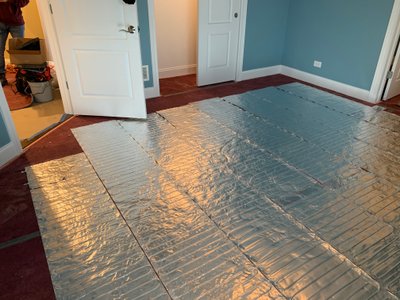
- Secure Environ™ Foil Mat or heating element to subfloor
-
Floor Sensor Placement (30 minutes)
- Position sensor 6 inches in and between the heating element wires
- Secure to subfloor
- Connect to thermostat
-
Electrical Connection (2–4 hours)
- Licensed electrician installs thermostat
- Connects heating system to electrical circuit
- Installs GFCI protection
- Tests system
-
System Testing (1 hour)
- Verify all connections
- Test heating element
- Confirm thermostat operation
- Check floor temperature
-
Carpet Installation (varies)
- Install carpet and underlay over heating system
- Ensure combined R-value ≤ 1.0
- Professional carpet installer recommended
Total Timeline: 2–3 days for a typical room
Professional Installation Recommended
While some steps can be DIY, electrical work and final testing must be done by a licensed electrician. This ensures your system meets all electrical codes and building regulations.